Myth vs. science
Our March workshop took us into the land of myths in two very different ways—first, through medical practices that are not as evidence-based as one might expect, and second, through a discussion on how we might use mythology to create narratives that spur action.
What can broken wrists from slipping on Finnish winter ice tell us about improving patient care?
A surprising amount! Advances in surgical techniques have heralded methods to precisely realign and reconstruct bones as anatomically intricate as the ones found in human wrists, but new research suggests that such intensive procedures may not create improvements in functional outcomes. This inevitably begged the question amongst our readers: why then are operations as common as they are? Our discussion brought up how even though medical research likes to focus on a medical problem, readers will inextricably search for how this connects to their lived experiences: is this a problem specific to Finnish society, or more widespread? How do insurance policies shape what procedures get undertaken? How much is the patient's input being considered? Can practitioners remember that each patient is more than just their bone, a whole human being with needs and fears beyond what's broken?
How myths shape cultural narratives
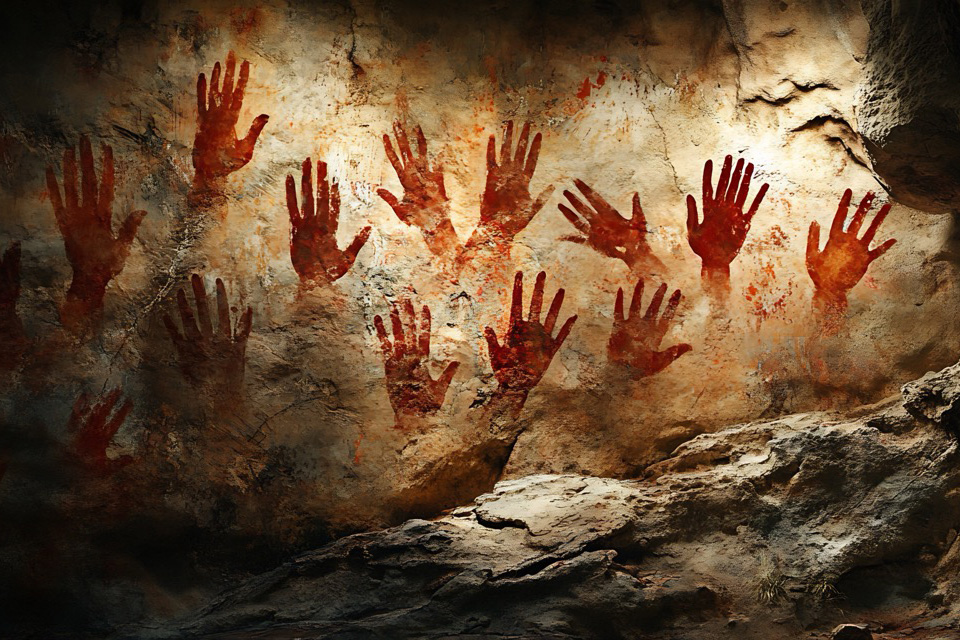
Our second piece invited the reader to experience mythology through a semi-fictional first-person essay related to ancient cave paintings. The narrative suggested a way to live that blurs the lines between the real and the mythical, so that they melt into one another. Our readers felt that the beautiful descriptive prose effectively transported us into another world. We noted how remarkable it is that when a narrative journey is deeply engaging, the need to understand the text logically becomes almost irrelevant. Yet, when the narrative shifted into exploring academic studies around mythology and the role they play in shaping cultural narratives, most found the abrupt shift in tone disruptive. This raised a useful question, though: whether even a more scientific piece could benefit from integrated, comprehensive storytelling.
Postscript: Avoid throwaway phrases
Although both of our texts seemed to have a clear message, we noted how simple words or phrases such as “perhaps” and “in any case” at the end can inadvertently dilute what otherwise could have been a powerful takeaway.
Image: Wahyu Miftakhul Huda, Vecteezy