The symbiosis between science fictions & science realities
Can fantasies of scientific knowledge and improvement inspire the real thing?
In our May workshop we asked whether fantasies about science—from pseudo-scientific notions about health and longevity, to sci-fi movies and TV shows such as The X-Files—can actually help us move toward real scientific practices, improvements, and progress.
What does NAD+ boosting do? We have no idea!
First, we discussed a draft article aimed at the lay public by University of Helsinki researchers in molecular biology, on ideas about the health and longevity benefits of the popular supplement NAD+ (nicotinamide adenine dinucleotide), and whether these ideas stand up to scrutiny. This article presented a difficult writing challenge: there's little clear evidence of what NAD+ supplements do at all—good, bad, or, possibly, ugly. So rather than trying to deliver certainty about a topic, which is often a goal in science writing, the writers were, in a sense, trying to undermine certainty instead, with the hope that the public would take a more cautious stance toward "NAD+ boosting". But then, the question arises for writers, how do you tell a story when there's no story?
To generate reader engagement, the authors had assembled some vivid personal anecdotes, highlighting both the ubiquity of unsubstantiated claims about NAD+ and some possibly risky usage scenarios. These components were effective in their own right. However, from this early draft, some readers felt that the article might a need a more compelling frame, something that provided more of a reason to feel we needed to read it.
And so, as we often do in our workshops, one approach we ended up circling around was how to make the topic feel more unexpected, with more tension—and thus interesting. One idea was to start the article not with personal anecdotes, but with the surprising contrast between the extreme popularity of NAD+ boosting and the fact that, at the same time, it is one of the unregulated supplements that scientists know the least about. Then the questions become: how did this weird state of affairs arise, and what should we do about it? And then the answer could include suggestions for the kind of interesting new research necessary to help solve the mystery.
Does fantastical science in TV and movies hurt or help real science?
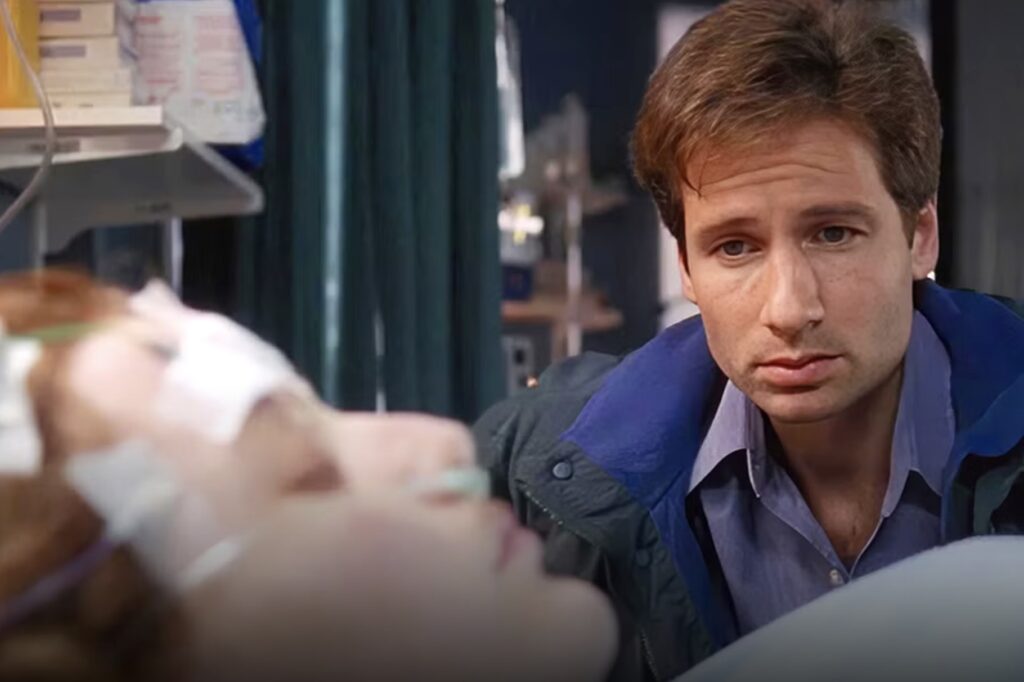
Next, we discussed the draft of a keynote lecture to be delivered to PhD students in medicine. This speech, by a geneticist-turned-filmmaker, was an elaboration of an earlier talk presented at TEDx. Common criticisms of pop-culture science in TV and film are that it's not accurate. This scientist-filmmaker, however, used the story of her own career, and the cross-pollination between her biomedical research and her movie-making, as well as sociological evidence, to argue that fantastical pop-science has actually encouraged participation and progress in real science. Examples included the hugely influential TV show the X-Files and the movie Jurassic Park.
One challenge for the author in revising this draft, it was suggested, was from the beginning to clarify and strengthen the talk's "counter idea" first, only to then seduce the audience around slowly to the talk's "controlling idea". Appropriately enough, this is a screenwriting technique, borrowed from the legendary Hollywood guru Robert McKee.
This talk will be hitting a hot spot right now—the current issue of the Journal of Science Communication contains two articles on the same theme:
- "The cinema effect: turning films into a gateway to science"
- "Science & Cinema: reflecting on representations of science in movies for joint meaning-making"
Image from The X-Files: Collider