Posts Tagged ‘character’
What enters us, what changes us

The state of science communication about the environment occupied us this month, through an unusual form of personal reflection on plastic particles that enter us and cloak themselves in dynamic coatings of biomolecules that can then interact with our bodies. Meanwhile, our other text took us into a curious laboratory of inquiry into matters cardiac,…
Read MoreParenting on planet health-science hellscape

Parental anxiety around the health of our children was at the forefront of this month’s workshop. This meeting was one of the most packed ones so far, and the quality of feedback given and received by the presenters was extraordinary—a testament to the dedication of the members of this group. Are citizens better science communicators…
Read MoreTracing the scale of the unseen: from trans-species atmospheres to minuscule molecules
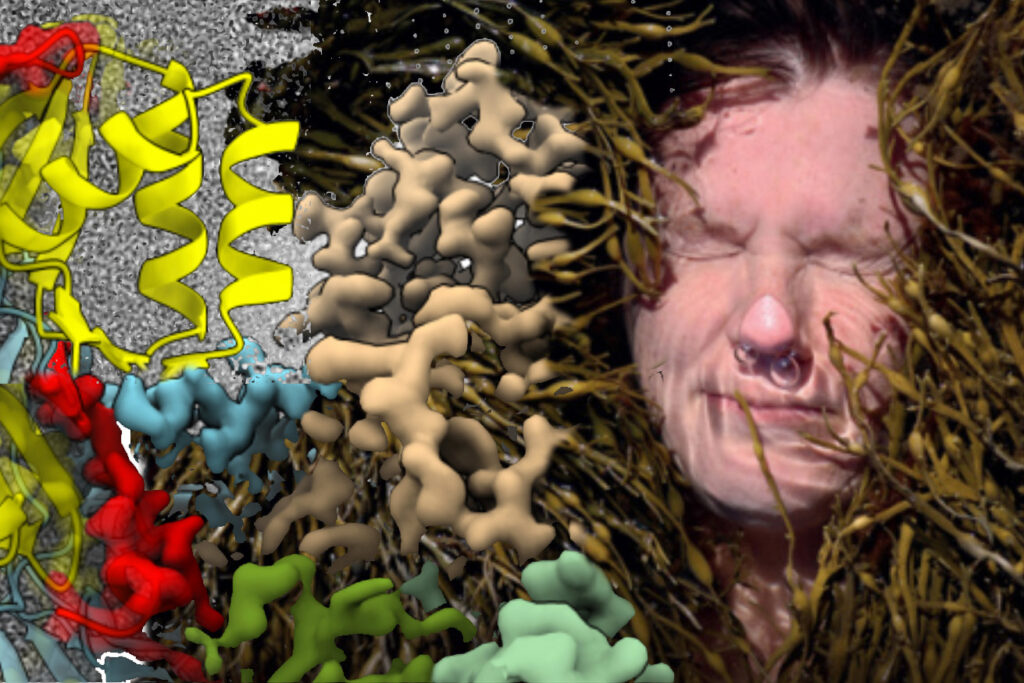
This workshop had us look at the world from its two extremes: the macroscopic domain of the invisible yet tangible ethical relationships that entangle researchers with their subjects of study, and the microcosm of molecular cell components that, although imperceptible, we need to see, so we can understand how life keeps humming along. Atmospheres of…
Read MoreUsing ourselves as characters to guide audiences into science

Lecturing at an audience and just “explaining the science” isn’t always the most effective way to communicate. An alternative approach that’s often recommended is using a personal story to connect with an audience first. Even better, if a scientist or writer can present themselves as a relatable human being, they may have a better chance…
Read More