Surviving the brutal boringness of science
When we tell stories about science, it’s tempting to feature the excitement and glamour of science’s capacity to spur innovative thinking and intellectual progress. But the daily slog of actually doing science can be brutally boring and frustrating. How can we think about, and write honestly about—and personally survive—this contradiction? This was our theme for our first workshop after our summer break.
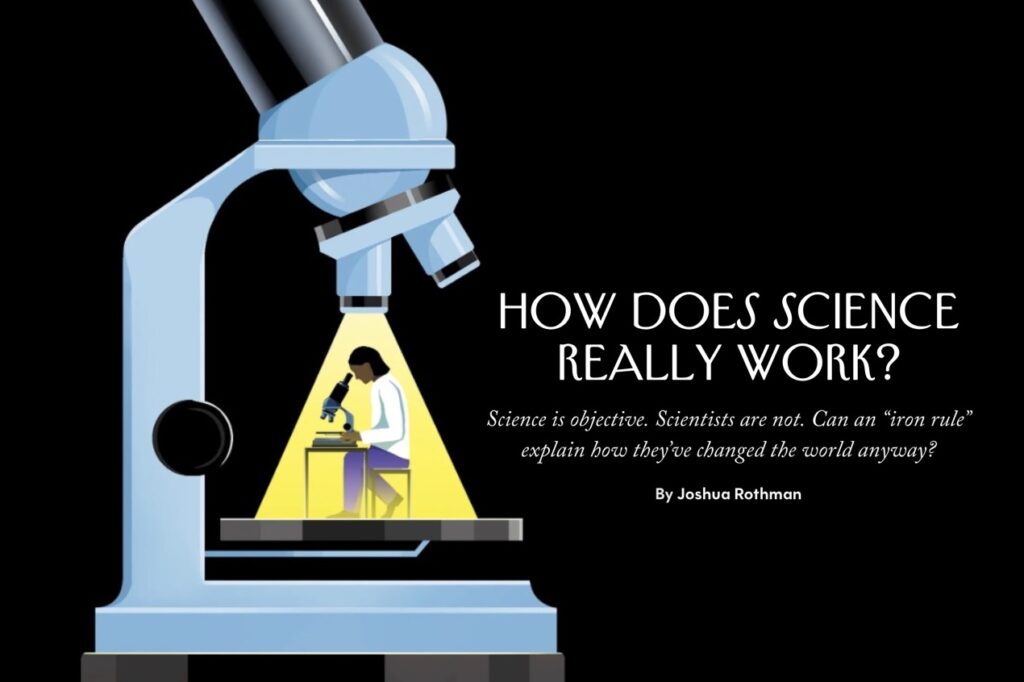
Scientific progress was most famously described by Karl Popper and Thomas Kuhn. But more recently, Michael Stevens, a philosopher of science at NYU, has written a book challenging those accounts, and questioning the idea that innovative thinking spurs scientific progress. The first text we discussed was a review essay, “How Does Science Really Work?” from The New Yorker, that examines Stevens’ idea that the secret to science’s success might exactly be its brutal boringness.
This set the stage perfectly for our second text by a doctoral researcher in virology, who interviewed 15 real PhD students to draft a fictionalized, but honest, story-based guide to surviving—or maybe even deciding to drop out of—scientific research.
Our frustrations and doubts about the world of science came out alongside our love for it, as we candidly celebrated the decidedly unglamorous side of the peculiar pursuit of knowledge known as the scientific method.