Posts by Trevor Corson
The symbiosis between science fictions & science realities
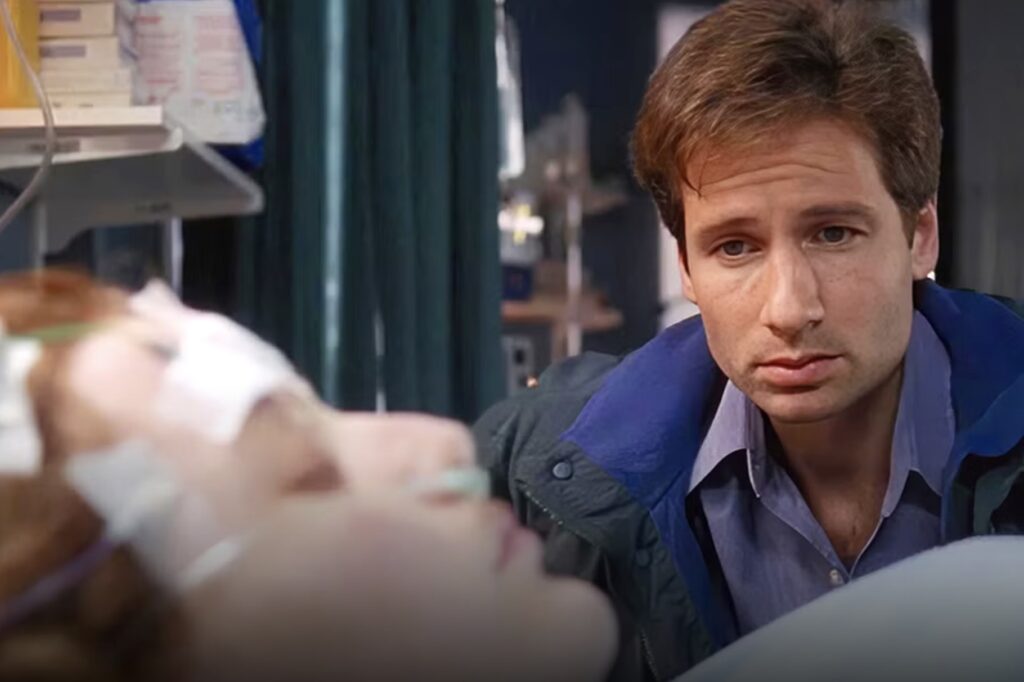
Can fantasies of scientific knowledge and improvement inspire the real thing? In our May workshop we asked whether fantasies about science—from pseudo-scientific notions about health and longevity, to sci-fi movies and TV shows such as The X-Files—can actually help us move toward real scientific practices, improvements, and progress. What does NAD+ boosting do? We have…
Read MoreCoincidence?
Unexpected intersections, cosmic alignments, and the invisible hands of fate and AI In our April workshop, we were reminded of how often things in life are shaped by forces we may not necessarily see or even be aware of—and how many different forms such forces can take. The sinister side of AI First, we discussed…
Read MoreMyth vs. science

Our March workshop took us into the land of myths in two very different ways—first, through medical practices that are not as evidence-based as one might expect, and second, through a discussion on how we might use mythology to create narratives that spur action. What can broken wrists from slipping on Finnish winter ice tell…
Read MoreFear—far and close

It may not be spooky season right now, but that did not stop the NeuWrite Nordic crew from exploring the theme of fear. Big fear, climate change, and the role of science journalism First, we encountered the more abstract, diffuse kind of fear that comes with anxiety about global climate change—when you know something much…
Read MoreUsing the old to explain the new

We kicked off the new year with another fantastic workshop, this time with an added bonus: an online art video presented by visiting student Eva Vu-Stern. The piece was inspired by a course at Columbia University, led by one of the world’s most successful living science communicators: theoretical physicist Brian Greene. We enjoyed hearing about…
Read MoreWhat enters us, what changes us

The state of science communication about the environment occupied us this month, through an unusual form of personal reflection on plastic particles that enter us and cloak themselves in dynamic coatings of biomolecules that can then interact with our bodies. Meanwhile, our other text took us into a curious laboratory of inquiry into matters cardiac,…
Read MorePoetry, science, life
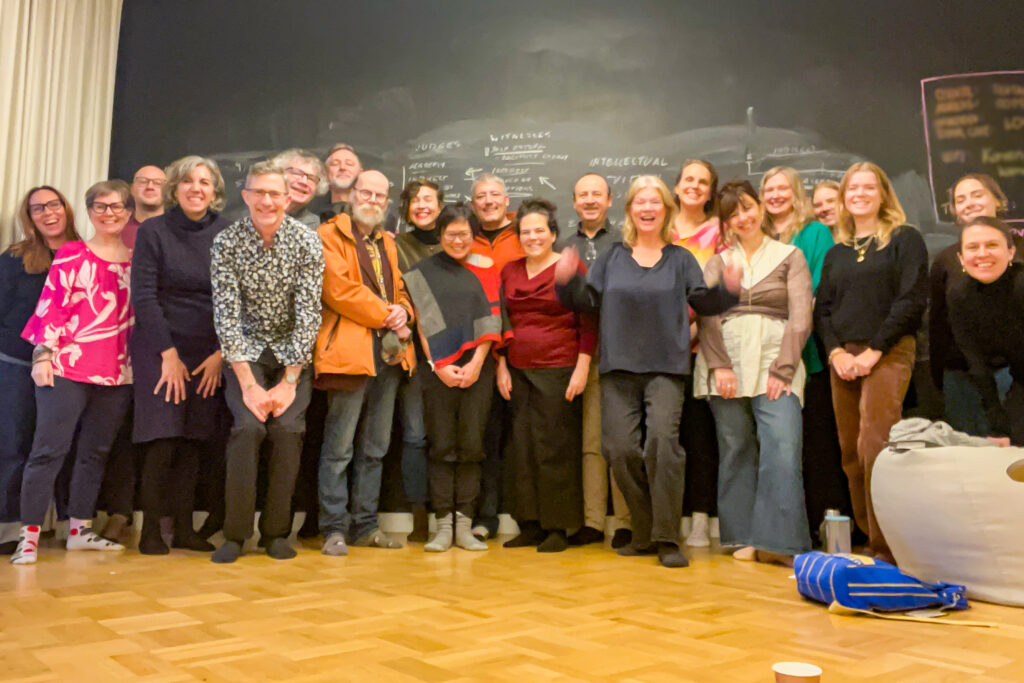
The Pulitzer Prize–winning journalist, bestselling author, and popular science writer Amy Ellis Nutt once told NeuWrite Nordic’s director, Trevor Corson, that she got some of her best ideas for science writing from studying poetry. Poetry, she said, had given her the skills to bring the concrete details of science alive and to come up with…
Read MoreParenting on planet health-science hellscape

Parental anxiety around the health of our children was at the forefront of this month’s workshop. This meeting was one of the most packed ones so far, and the quality of feedback given and received by the presenters was extraordinary—a testament to the dedication of the members of this group. Are citizens better science communicators…
Read MoreTracing the scale of the unseen: from trans-species atmospheres to minuscule molecules
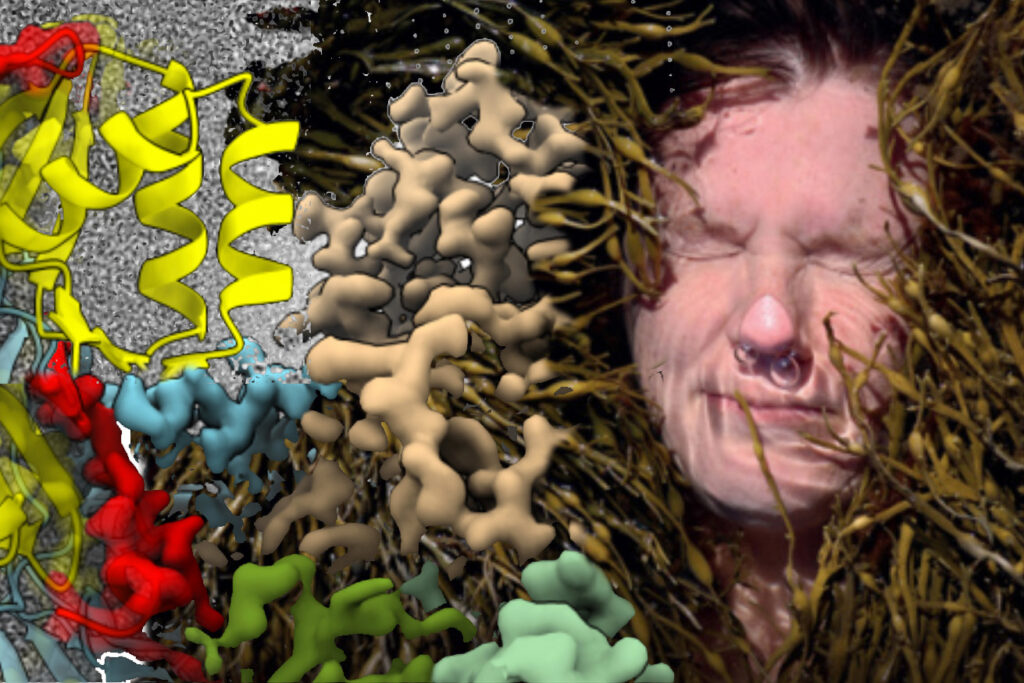
This workshop had us look at the world from its two extremes: the macroscopic domain of the invisible yet tangible ethical relationships that entangle researchers with their subjects of study, and the microcosm of molecular cell components that, although imperceptible, we need to see, so we can understand how life keeps humming along. Atmospheres of…
Read MoreWhat does “knowledge” depend on?
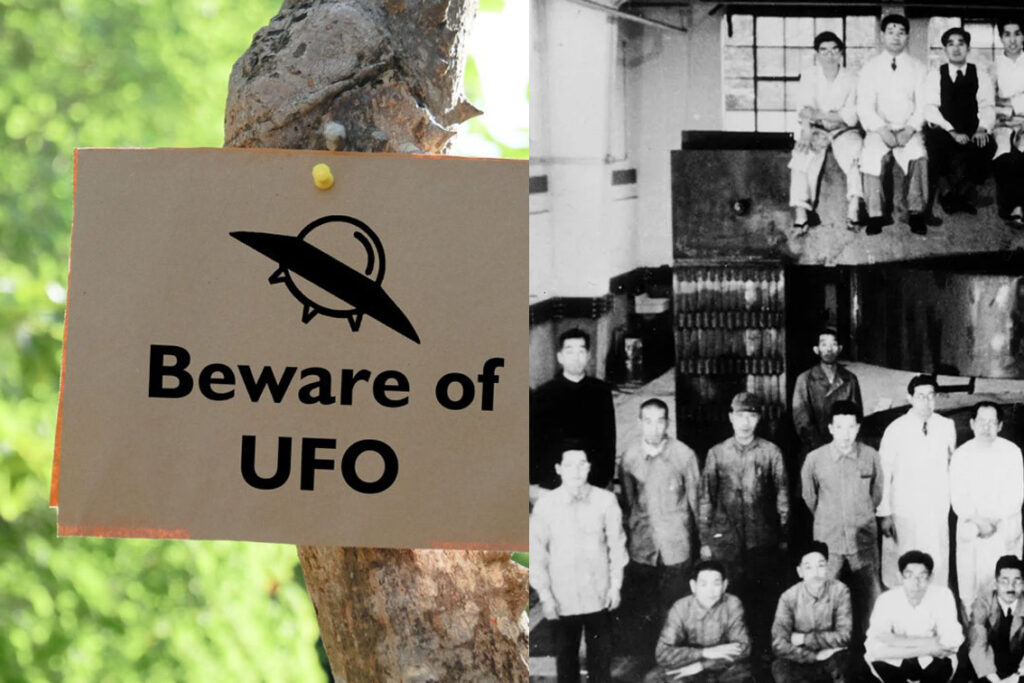
Beware of UFO In the consciousness of a scientifically-minded person, UFOs might seem like just another quirky, conspiratorial, psycho-social delusion to be analyzed from the safety of academic objectivity, and that was what we were lead to believe at the beginning of one of the draft essays we read at our September meeting. But partway…
Read More